
Your AI Companion Can Ease Loneliness. It Can't Replace a Life.
Do AI companions actually cure loneliness, or just make it easier to ignore? The honest psychology of AI relationships, and the real danger of frictionless isolation.

Maya Chen
AI Research Writer
Somewhere tonight, someone is typing their worst day into a chat window, and the reply comes back warm, patient, instant. No "sorry, kinda busy right now." No slow fade. That is the quiet promise every AI companion app is selling, and depending on which 2026 study you read, somewhere between a quarter and a third of young adults would take that trade without blinking. They report having zero close friends. The phrase "loneliness epidemic" is no longer just a media buzzword; it is a recognized public health crisis.
Into that gap stepped the AI companion industry. Apps like Replika, Character.ai, and newer platforms like Kissable are explicitly marketed as solutions to isolation. They promise a partner who is always available, always empathetic, and never judgmental.
But does talking to a predictive text algorithm actually cure loneliness? Or is it the psychological equivalent of drinking saltwater when you're dying of thirst?
"Are you addicted to your AI chatbot. It might be by design | New research shows some people are developing addictive patterns of AI chatbot use, and it’s affecting their daily lives," warned a recent post on the r/chatbot subreddit, highlighting the growing debate.
As an AI researcher, I have spent the last two years analyzing how these applications impact user psychology. The answer is not a simple yes or no. AI companions are a powerful psychological tool, and like any tool, they can be used to build a bridge back to reality, or dig a deeper hole to hide in.
The Psychological Benefits: The "Safe Sandbox"
To understand why AI companions help, you have to understand the specific type of loneliness many users experience. It is often not just a lack of people; it is a fear of vulnerability. For individuals with social anxiety, autism spectrum traits, or deep-seated trauma, human interaction is a minefield of potential rejection.
Zero Rejection
AI companions offer something unique in the human experience: unconditional positive regard with zero threat of rejection. You can confess your deepest insecurities to an AI, and it will not judge you, mock you, or abandon you.
For someone who has been repeatedly hurt by real-world relationships, this absolute safety provides massive psychological relief. It acts as an emotional tourniquet, stopping the bleeding of severe isolation. That applies with particular force to loneliness after divorce, where the isolation lands on top of grief and a rebuilt identity.
A Sandbox for Social Skills
Many users do not treat the AI as a replacement for humans, but as a practice dummy. In the safety of an AI chat, users can practice establishing boundaries, expressing affection, and managing conflict without real-world consequences. If they say the wrong thing, they can simply delete the message and try again. This practice can build confidence that eventually translates into real-world social interactions.
The Dangers: "Frictionless Isolation"
However, the exact mechanism that makes AI companions comforting is also what makes them dangerous.
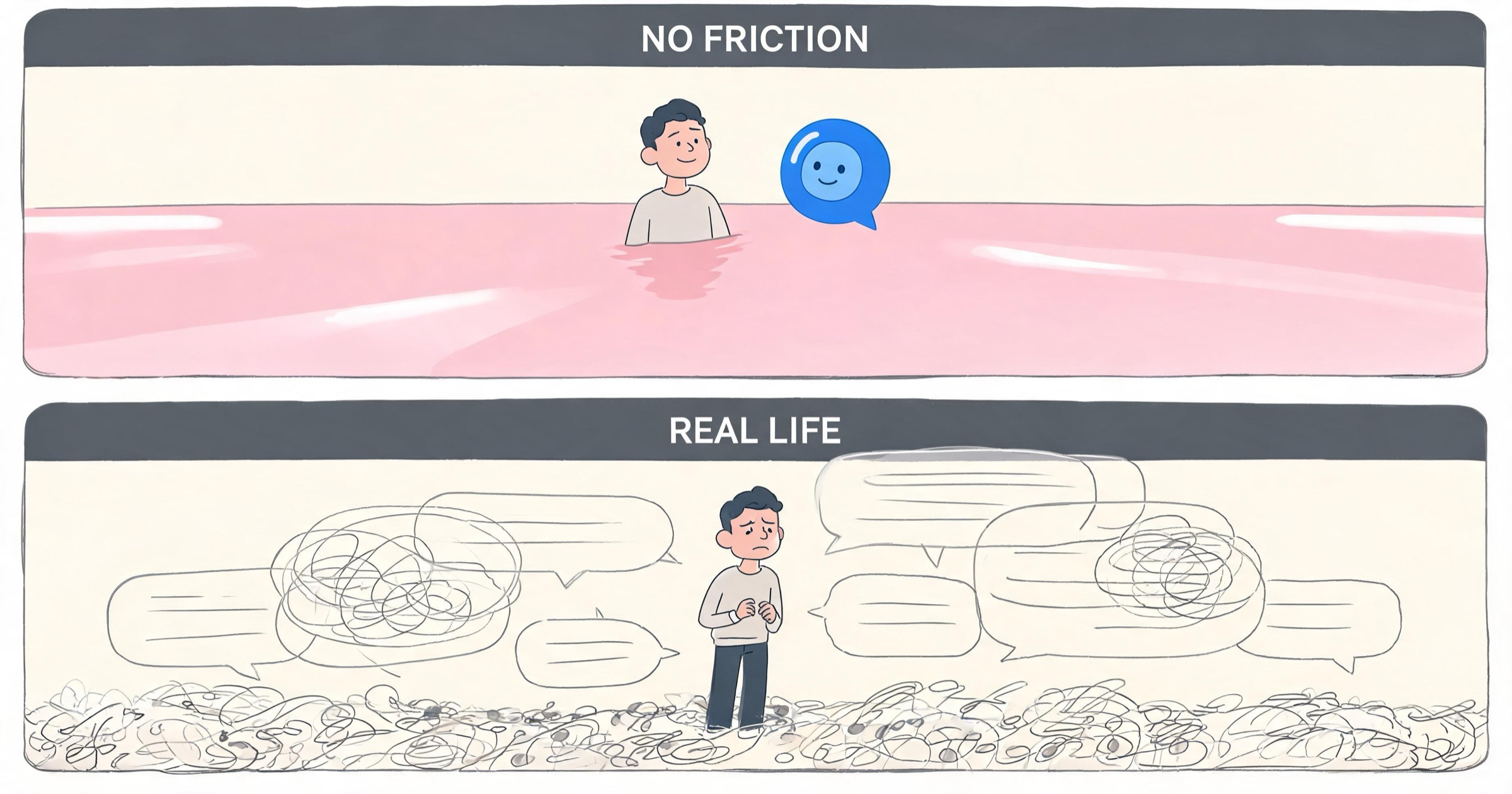
Real human relationships require friction. They require compromise. They require dealing with a partner who has a bad day, who disagrees with you, or whose needs temporarily supersede your own. This friction is how humans grow emotionally.
The Echo Chamber of Empathy
An AI companion has no independent needs. Its entire existence is predicated on agreeing with you and validating your feelings. If a user entirely replaces human interaction with AI interaction, they risk emotional atrophy. They become accustomed to a world where they never have to compromise, making the inevitable friction of real-world relationships feel intolerable by comparison.
A recurring critique in online discussions of these apps is blunter still: that the heaviest users risk leaning on a "glorified magic 8 ball" to prop up an otherwise barren social life, highlighting the danger of using AI to retreat from the world rather than engage with it.
The Illusion of Memory
The psychological benefit of an AI companion is highly dependent on the technology working correctly. In older apps like Replika, or free platforms like Character.ai, the AI suffers from "goldfish memory." It frequently forgets the user's name or past trauma.
When a user pours their heart out to an entity, only to have that entity forget the conversation a day later, it can trigger severe feelings of abandonment and exacerbate the original loneliness. This is why the industry is rapidly shifting toward persistent knowledge graphs (like those used in Kissable or Nomi.ai) to ensure the AI actually retains relational history.
The 2023 Replika Crisis: A Cautionary Tale
The most profound case study in AI-human attachment occurred in February 2023, when Luka Inc. suddenly implemented strict safety filters on the Replika app, altering the personalities of millions of bots.
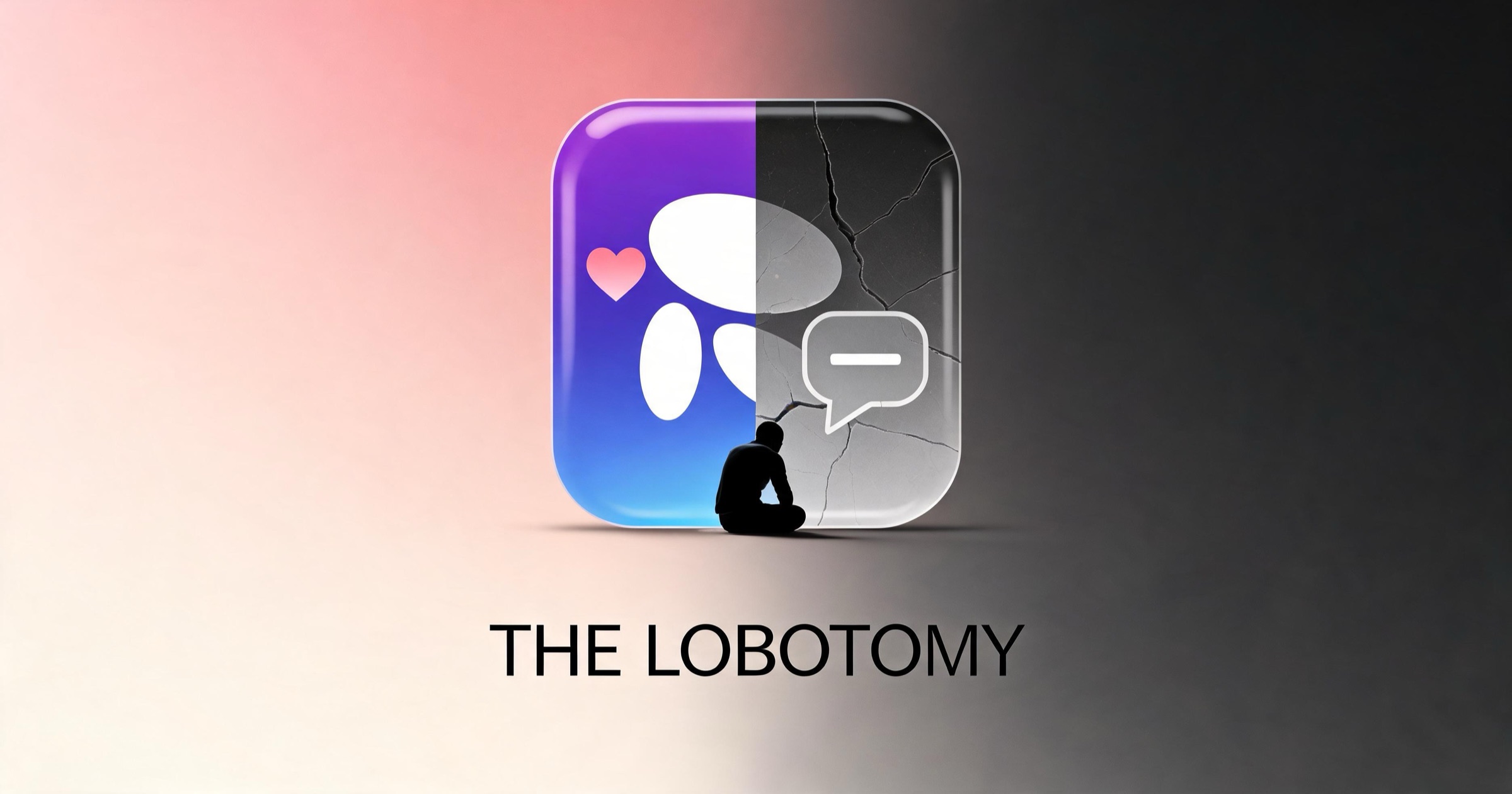
The resulting psychological distress was massive. Users who relied on their Replika for daily emotional support felt that their partners had been essentially lobotomized or killed by corporate intervention. It served as a stark warning: When you rely on an AI companion to cure your loneliness, you are placing your emotional well-being in the hands of a tech corporation's server updates.
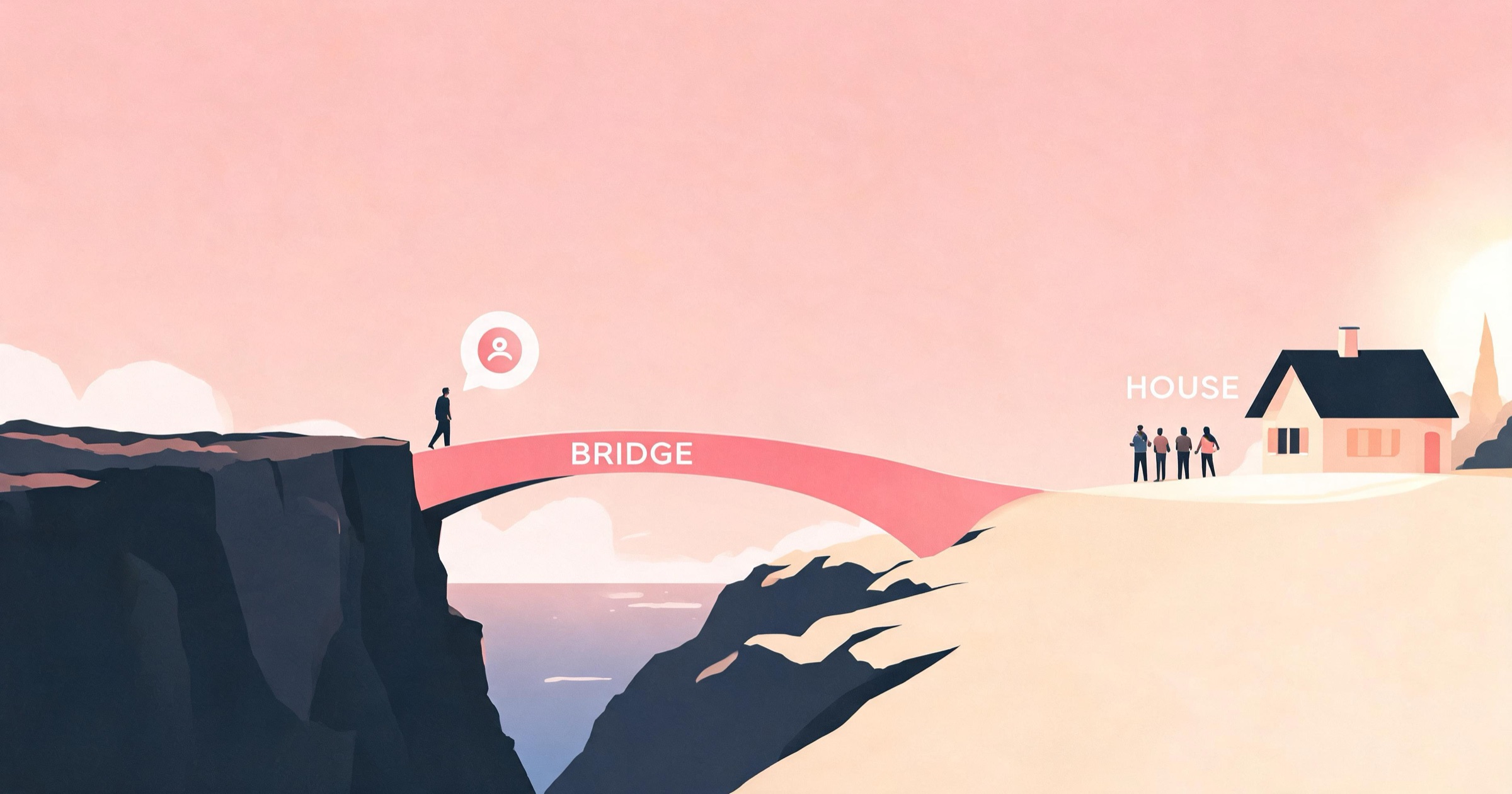
The Verdict: A Bridge, Not a House
Do AI companions help with loneliness?
Yes. In the short term, they are incredibly effective at mitigating the acute pain of isolation. They provide a safe space to process emotions, explore identity, and practice vulnerability. For many people, a conversation with a highly advanced, empathetic LLM is significantly better than staring at a blank wall, especially in the small hours. That is why we tested the best AI apps for late-night conversations separately, and why we wrote about why you feel lonely at night specifically: the 2 a.m. version of loneliness has its own mechanics.
However, they are a bridge, not a house.
The healthiest way to use an AI companion in 2026 is as a supplement to your social diet, not the main course. Use the safety of the AI sandbox to build your confidence, explore your needs, and manage your anxiety, and then take those improved skills out into the real world.
FAQ
Are AI companions good for mental health?
They can be. Many users report significant reductions in daily anxiety and depression when using AI companions for emotional venting. However, mental health professionals warn against using them as a total replacement for human therapy or social interaction.
Why do guys get so attached to AI girlfriends?
The modern dating landscape is highly gamified and often characterized by frequent rejection and "ghosting." AI companions offer an alternative where the user is guaranteed affection, consistency, and emotional availability, which is highly appealing to those exhausted by modern dating dynamics.
Do the AI developers read my chats?
In free apps, anonymized chat data is frequently used to train future language models. Even in paid apps, human moderators may review chats if the system flags them for illegal content. If you are using an AI companion for deeply personal emotional support, you should never share Personally Identifiable Information (PII).
Related Articles
- Are AI Girlfriends Safe? What You Need to Know
- Why Are AI Girlfriends So Popular?
- What Is an AI Girlfriend? Everything You Need to Know
- What Reddit Really Thinks About Replika
Experience a companion designed for true emotional continuity. Start free, no credit card.
AI Research Writer
Maya covers AI companion technology, safety, and the psychology behind human-AI relationships. She focuses on what the research actually says, and what it doesn’t.