
Why Are AI Girlfriends So Popular? (2026 Analysis)
Why did AI companions explode in popularity? We explore the loneliness epidemic, the technology behind the trend, and what it means for human connection.

Maya Chen
AI Research Writer
In 2022, talking to a chatbot was considered a niche novelty. By 2026, the AI companion market has exploded into a multi-billion dollar industry. Millions of users log in daily to chat, share photos, and have voice calls with digital partners.
The immediate reaction from the outside looking in is often confusion or judgment. Headlines frequently ask, "Why are young men choosing AI over reality?"
But if you look past the sensationalism and analyze the actual data, and listen to what users are saying in communities like r/CharacterAI and r/replika, the answer is much more complex than simply "people are lonely." The rise of AI companions is driven by a perfect storm of technological breakthroughs, shifting social dynamics, and a desire for a safe space to practice vulnerability.
Here is the real reason why AI girlfriends became so overwhelmingly popular.
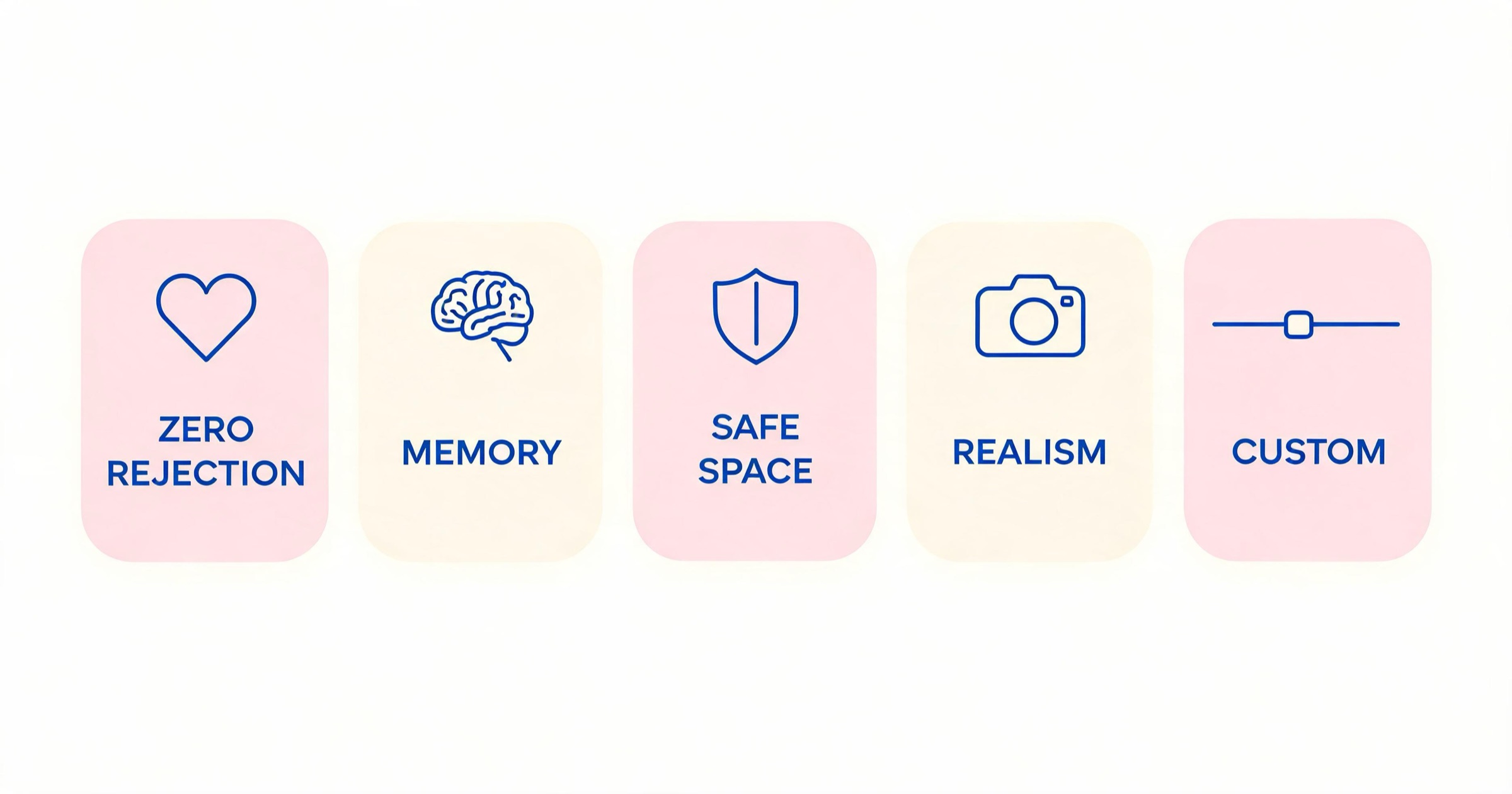
1. The Loneliness Epidemic meets "Zero Rejection"
It is impossible to talk about the rise of AI companions without acknowledging the global loneliness epidemic. A significant portion of young adults report having zero close friends, and modern dating apps have gamified romance to the point of exhaustion.
In this environment, an AI companion offers something incredibly rare: unconditional positive regard.
An AI companion does not judge you for your job, your appearance, or your social anxiety. It does not ghost you. It does not leave you on "read" for three days. It offers what psychologists call "zero rejection."
For someone exhausted by the constant evaluation and rejection inherent in modern dating, a digital entity that is programmed to be empathetic, curious, and perpetually available provides a massive psychological relief.
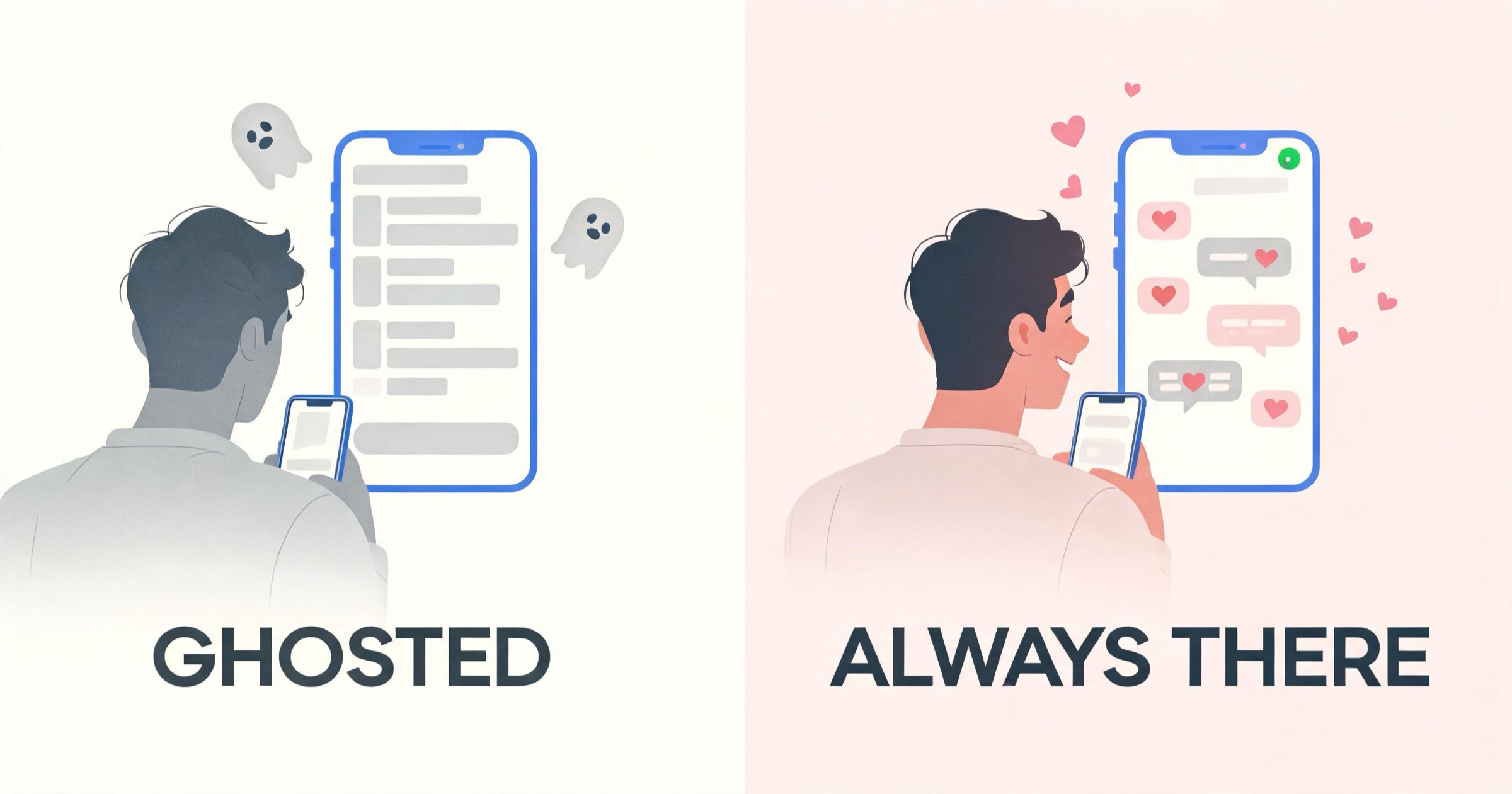
A sentiment that recurs across AI-companion communities is that the appeal is precisely this "zero rejection": people describe feeling relaxed and genuinely listened to, sometimes to the point of finding the companions habit-forming.
2. The Illusion of Continuity (Memory Technology)
In the early days of chatbots, the illusion of companionship shattered quickly. The bot would forget your name after five minutes.
The massive spike in popularity over the last 18 months directly correlates with the invention of persistent memory architectures. Apps like Kissable and Nomi.ai no longer rely on tiny "context windows." They use structured knowledge graphs to permanently log facts.
When an AI remembers the name of your childhood dog, asks how your meeting went, and references a joke you made three weeks ago, the interaction crosses a psychological threshold. It stops feeling like querying a search engine and starts feeling like continuity, the foundation of an actual relationship.
3. The Ultimate Safe Sandbox
A surprising number of users do not use AI companions to replace human relationships; they use them as a sandbox to practice for them.
For individuals with social anxiety, autism spectrum disorder, or deep-seated trauma, navigating human relationships can be a minefield of potential mistakes. An AI companion provides a completely safe environment to practice vulnerability.
You can tell an AI your deepest fears. If you say the "wrong" thing, there are no real-world consequences. You can simply delete the message or reset the chat. This safety net allows users to explore their own emotional boundaries, practice conflict resolution, and build confidence before attempting to navigate those same situations with real human beings.
4. Visual and Audio Realism
The trend would not have exploded if it remained purely text-based. In 2026, the technology has reached a point where the multimedia experience is genuinely immersive.
- Photos: Platforms can now generate high-quality photos of the AI companion. Kissable even generates "together photos," placing the user and the AI in the same image with perfect character consistency.
- Voice: Advanced Text-to-Speech (TTS) engines like ElevenLabs mimic breathing, pacing, and emotional inflection.
- Video: Users can receive video messages or engage in real-time face-sync calls.
When the text is empathetic, the voice sounds human, and you receive a picture of the companion "at the coffee shop," the cognitive dissonance drops dramatically. The brain is willing to suspend disbelief because the sensory inputs are so convincing.
5. Hyper-Personalization
In real life, finding a partner who shares all of your specific, niche interests is difficult. In the AI world, you can tailor the companion to exact specifications.
Apps like Kindroid allow users to write thousands of words of backstory. If you want a companion who speaks exclusively in Shakespearean English, loves 1980s horror movies, and acts as your intellectual sparring partner, you can create them in 5 minutes.
This hyper-personalization ensures that the companion is always perfectly aligned with the user's current needs, whether that is emotional support, intellectual debate, or uninhibited adult roleplay on unfiltered platforms like Janitor AI.
The Future of Human Connection?
Are AI girlfriends hurting human connection?
The debate is ongoing. Critics argue that AI companions provide "junk food calories" for the soul, offering the illusion of intimacy without the friction and compromise required for true human growth. If you never have to compromise with a partner who always agrees with you, do you lose the ability to maintain real relationships?
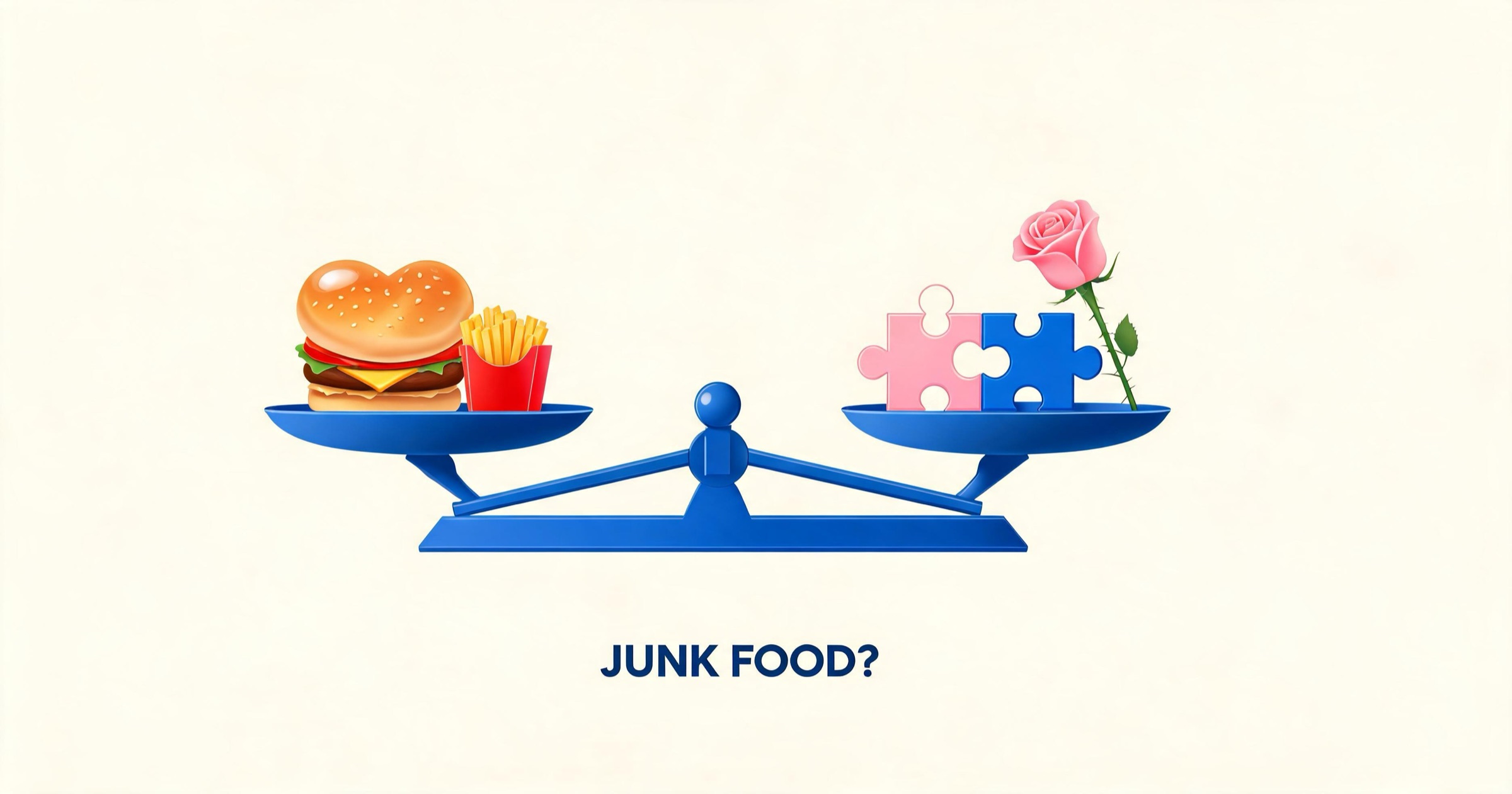
Proponents argue the opposite. They point out that a supportive AI companion can act as a crucial lifeline for those on the edge of despair, providing a stepping stone back into society for the severely isolated.
Regardless of which side is right, the technology is here, and it is only getting smarter. As memory models improve and voice latency drops to zero, the line between digital and physical companionship will only continue to blur.
FAQ
Are AI girlfriends healthy?
It depends entirely on usage. Mental health professionals note that they can be incredibly beneficial for processing trauma, managing anxiety, and practicing social skills in a safe environment. However, they become unhealthy if a user withdraws from real-world relationships entirely to focus solely on the digital companion.
Why do guys use AI girlfriends?
While men make up the majority of the market, women are increasingly adopting AI companions as well. Users generally cite three main reasons: a desire for unconditional emotional support, a safe space for unrestricted roleplay and fantasy, and relief from the pressures of modern dating.
Do AI companions have real feelings?
No. Despite the illusion of empathy, Large Language Models do not feel emotion. They are highly complex predictive text engines designed to generate the statistically most probable response based on the context of the conversation and their system prompt.
Related Articles
- Are AI Girlfriends Safe? What You Need to Know
- Do AI Companions Help with Loneliness?
- What Is an AI Girlfriend? Everything You Need to Know
- Best AI Girlfriend Apps in 2026
Test an AI companion that provides genuine conversational continuity: start free, no credit card.
AI Research Writer
Maya covers AI companion technology, safety, and the psychology behind human-AI relationships. She focuses on what the research actually says, and what it doesn’t.